 Atlanta Pro Network

A good HVAC SEO proposal is built around how heating and air work actually comes in: AC repair calls when Atlanta heats up, furnace calls on the first cold snap, tune-ups in the shoulder seasons, and big-ticket system replacements that people research before they call. If the proposal reads like it could be for a roofer or a dentist with the word "HVAC" swapped in, it isn't a plan for your business.
TL;DR
- An HVAC SEO proposal should have a seasonal calendar, not a flat list of monthly tasks.
- It should treat repairs, installs, tune-ups and service plans as different jobs with different pages and different reporting.
- Service-area pages should match the towns you actually run trucks to, with real local detail.
- Reporting should split SEO, Google Business Profile and paid ads, and follow calls through to booked jobs.
This piece is about what's specific to HVAC. For the general checklist that applies to any trade (Google Business Profile, technical fixes, reviews, links, reporting, ownership), see what a contractor SEO service should actually include.
Does the HVAC SEO proposal plan around the seasons?
HVAC demand isn't flat, and an SEO plan shouldn't be either. In Metro Atlanta, a long, humid summer pushes AC repair to the top of everyone's mind, and the first real cold week turns "furnace not working" into an urgent search. Spring and fall are when people are more open to tune-ups, and when replacement shoppers have time to compare.
SEO takes time to build. Some improvements show up in weeks, but climbing to the top in a competitive market can take a few months. That means the work for peak season has to start before peak season.
Ask the agency to show you a calendar, not just a task list:
- Before summer: Which AC repair, AC replacement and emergency service pages get built or improved, and when?
- Before winter: When do heating repair, furnace replacement and heat pump pages get attention?
- Spring and fall: How will tune-up and maintenance pages, and your Google Business Profile posts, push maintenance bookings while the schedule has room?
- All year: What keeps replacement and install pages working, since those buyers often research for weeks before calling?
If the answer is "we publish four blog posts a month," ask what those posts are for and why they're scheduled when they are.
Repairs, installs, tune-ups and service plans are different jobs
This is the biggest thing generic proposals get wrong. An HVAC company sells at least four different things, and each one is searched differently, decided differently and worth something different to you.
| Job type | How people search | What the page has to do | What to track |
|---|---|---|---|
| Repair | Urgent, often from a phone, often "near me" | Make calling right now easy, show service area and hours | Calls answered, same-day bookings |
| Install or replacement | Researched over days or weeks, comparing options | Explain options, process and financing if you offer it, show real installs | Estimate appointments, sold systems |
| Tune-up | Seasonal, price-aware, planned | Make booking simple, explain what's included | Booked maintenance visits |
| Service plan | Often existing customers, sometimes tune-up buyers | Explain what members get and why it's worth it | Plan sign-ups, renewals |
A proposal should name which of these you want more of and build the page plan around that. If you're trying to sell more replacements, a plan that only chases "AC repair near me" will fill your phone with service calls and leave your install crew waiting.
Ask the agency:
- Which service pages exist now, and which are proposed?
- Is there a separate page for each major job type, or one page trying to do everything?
- How will the plan move tune-up customers toward service plans?
- How will you know whether a call was a repair, an install lead or a tune-up?
That last question matters. If every call lands in one bucket called "leads," you can't tell whether the SEO is bringing the work you actually want.
Service-area pages should match where your trucks go
HVAC companies cover a lot of ground. A shop based in Marietta might run calls into East Cobb, Vinings and Roswell, but not want to send a tech to Henry County at 5 p.m. on a Friday.
The proposal should build service-area pages around where you want to win work, and each one should earn its place. A useful page for Sandy Springs or Johns Creek says what you do there, shows real jobs nearby where you have them, and answers the questions homeowners in that area ask. A page that swaps one suburb's name into the same three paragraphs isn't a strategy.
Ask the agency:
- Which towns get pages first, and why those?
- What will make the Alpharetta page different from the Milton page?
- How does the service area on your Google Business Profile match the pages on your site?
- What happens if you stop serving an area or want to push harder into a new one?
Your Google Business Profile carries a lot of weight for "near me" repair searches. The proposal should say who manages it, how its service area is set, and how profile calls are reported separately from website calls.
Reporting that fits an HVAC calendar
A summer report that shows more calls than spring proves almost nothing. The weather did that.
A useful HVAC SEO report compares like with like and splits the work by job type:
- Same season, year over year, where you have the history, so weather doesn't get credit for the marketing.
- By job type, so you can see repair calls separately from install leads and tune-up bookings.
- By source, with organic search, Google Business Profile and paid ads kept apart.
- By outcome, following calls to booked jobs, not stopping at the call count.
The proposal should also say what happens when the phones are slammed. In a heat wave, a missed call is a lost job. Ask whether missed-call text-back and lead follow-up are part of the plan, or whether every call that rings out is simply gone.
How to compare two HVAC SEO proposals
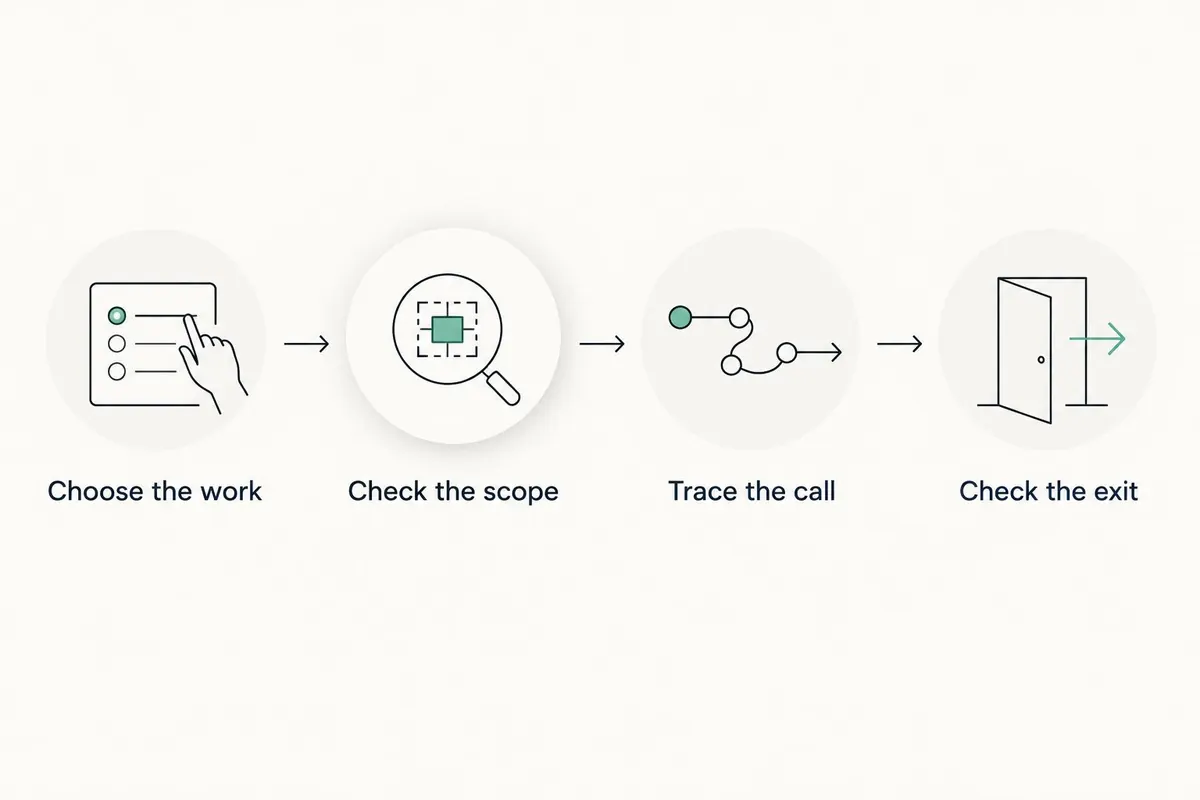
Put them side by side and walk through the same four steps with each agency:
- Choose the work. Tell each agency which jobs you want more of (repairs, replacements, maintenance, service plans) and which towns matter. Include what you don't want.
- Check the scope. Ask each one to name the pages, Google Business Profile work and technical fixes they'd do first, and when in the year they'd do them.
- Trace the call. Have them explain how a search turns into a call, how that call gets tagged by job type, and how your office records whether it booked.
- Check the exit. Confirm who owns the website, domain, content and accounts, how long the agreement runs, and what you get if you leave.
Then ask: what would make you change this plan? A good answer points to evidence, like which job types are booking and which towns are producing. A weak answer is "we'll keep doing the monthly tasks."
Red flags in an HVAC SEO proposal
- A guaranteed number one ranking. Google controls its results; an agency controls its work.
- No mention of seasons at all.
- One "HVAC services" page meant to rank for repairs, installs and maintenance at once.
- Dozens of city pages with identical copy.
- Reports that only show traffic or rankings, with no calls or bookings.
- Vague ownership language about your website and Google Business Profile.
How we build HVAC SEO at Atlanta Pro Network
We do HVAC marketing for Metro Atlanta companies, and the proposal questions above are the ones we expect to answer.
Our Website and SEO work on the Scale package is an 8-page site built to rank for every service you sell in Google and AI search, plus map pack optimization, so repairs, installs, tune-ups and service plans each get a real page. Calls are tracked to source. The CRM sends a text back when a call is missed during a busy week and follows up on leads that go quiet, and review requests go out after the job.
On timing, we're straight about it: Google and Meta ads can book jobs in the first week or two, which helps cover a season while SEO and your Google Business Profile build up over the following months.
We work with one contractor per trade in each market, so we'll never take on your competitor. Your site, domain and content are yours, and we're month to month after the build.
If you want a second opinion on a proposal you already have, or want to see what ours would look like, book a free 20-minute call.
FAQ
When should an HVAC company start SEO?
Before the season you care about most. Some improvements show in weeks, but competitive rankings can take a few months to build, so starting in spring for summer AC work makes more sense than starting in July.
Should tune-ups and service plans have their own pages?
Yes. They're searched differently from emergency repairs and decided differently from replacements. One page for everything usually does none of them well.
How many service-area pages does an HVAC company need?
As many as there are towns you actually want work from and can write something useful about. Start with the ones that matter most to your schedule and add from there.
Should SEO and ads be in the same report?
They can share a report, but the numbers should stay separate so you can see which source produced which calls.